National Archives · Constitutional Law Exhibit
New York Times v. United States
A formerly classified file, opened for the public record.
Vietnam Roundtable - EOT
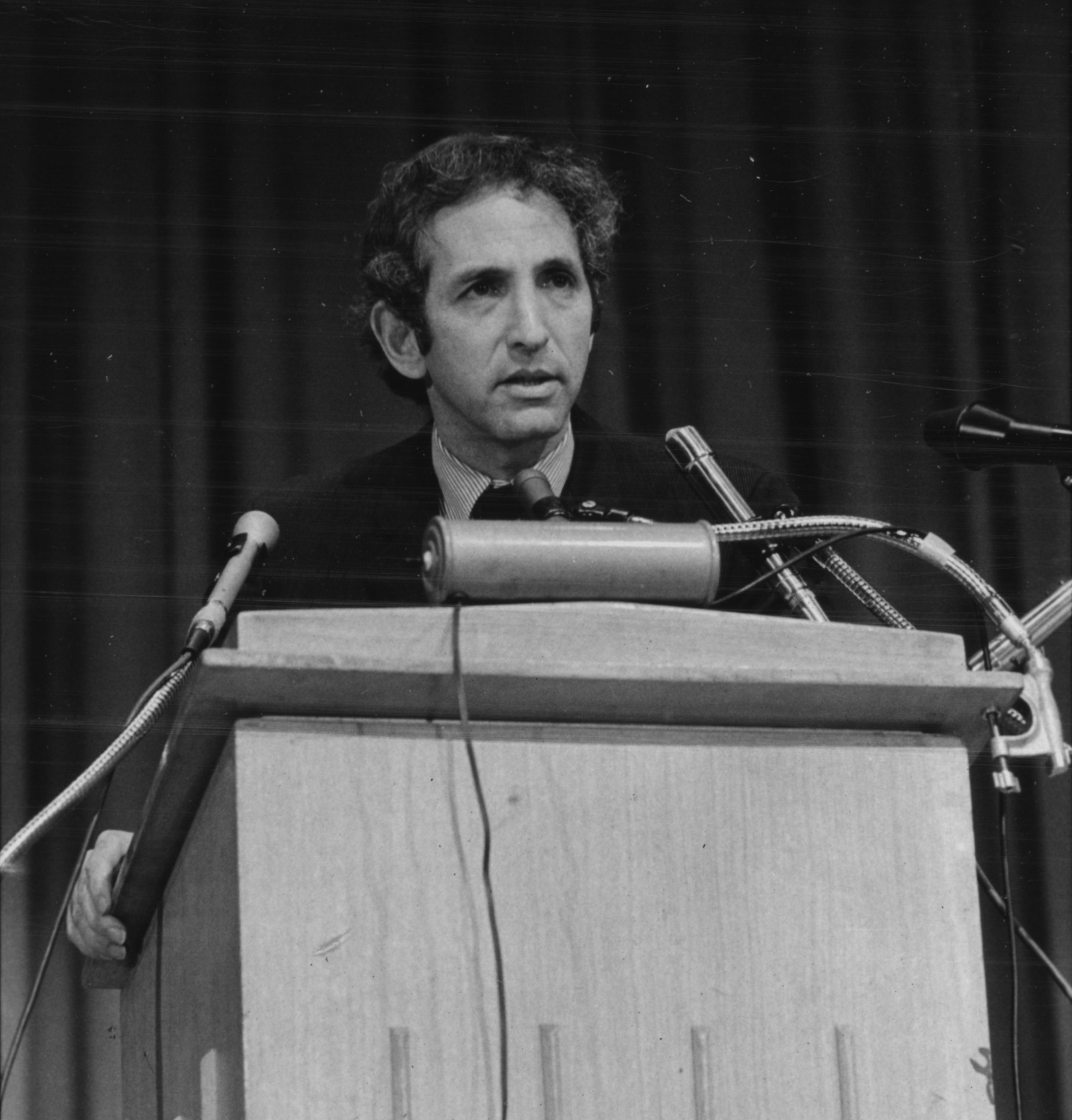 EXHIBIT A
A Constitutional Law Exhibit
The
Pentagon
Papers
New York Times v. United States · 1971
“When government secrets meet a free press, who decides what the public deserves to know?”
Roundtable Prep Kit
Ekya · Loki · Avika · John
11-1
How a Secret History Reached Print
A Pentagon-commissioned study admitted that four administrations had misled the public about Vietnam. Its release set off the fastest major First Amendment showdown in U.S. history.
- 1945–67DoD compiles a secret 47-volume history of U.S. decisions in Vietnam.
- Mar 1971Analyst Daniel Ellsberg, a former Marine, copies and leaks the study.
- Jun 13The New York Times publishes its first installment.
- Jun 15Nixon's DOJ wins a restraining order, the first against a U.S. paper.
- Jun 18The Washington Post picks up the story; a second injunction follows.
- Jun 30The Supreme Court rules 6–3; publication resumes.
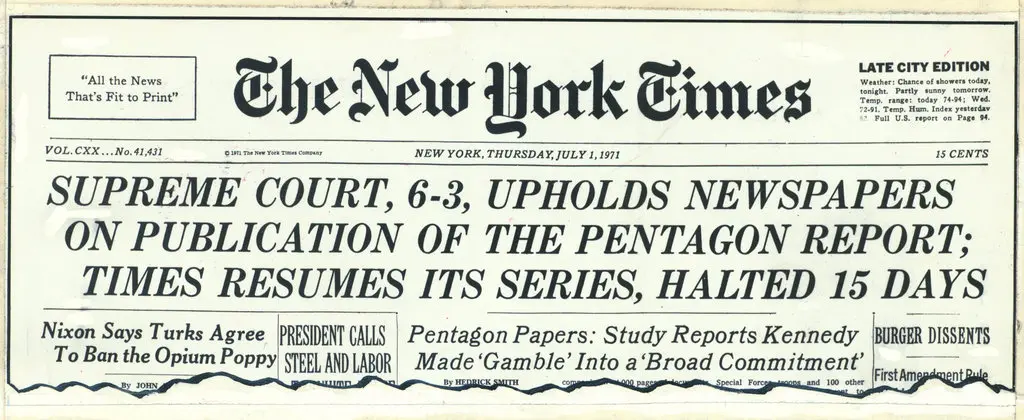 The Times · 13 Jun 1971
47
Volumes
7,000+
Pages
11
Days to ruling
Two Powers Pull in Opposite Directions
The case forced a single question: when do the public's right to know and the government's need for secrecy collide, and which one bends?
Secrecy
Disclosure
The government argued publication would harm the nation; the press argued the public could not govern itself while kept in the dark.
Glossary · Terms of Art
- Prior Restraint
- Government censorship that blocks material before it is ever published.
- First Amendment
- Bars Congress from abridging the freedom of speech or of the press.
- National Security
- A state's interest in protecting military, intelligence & diplomatic secrets.
- Classification
- The system that marks documents Confidential, Secret, or Top Secret.
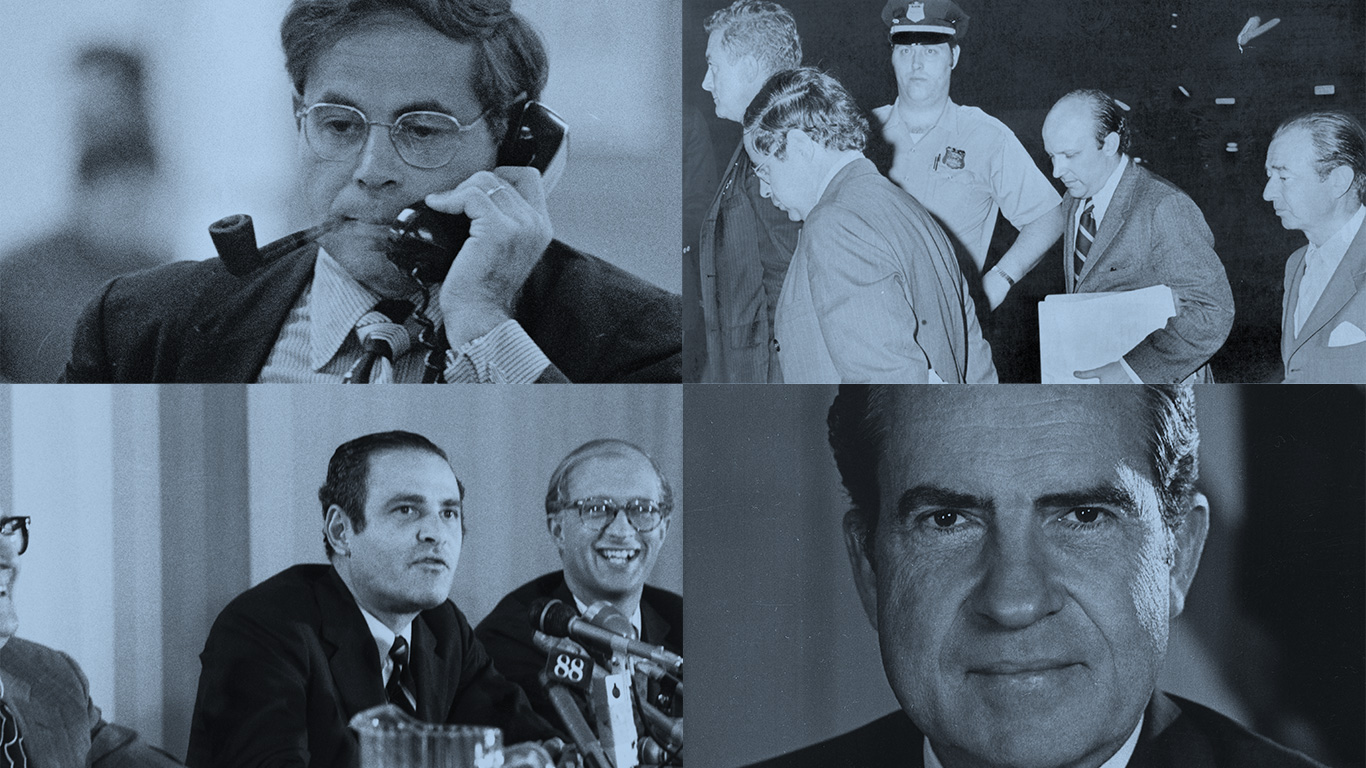
Inside fold · debate → discussion → balance
Two Justices, Two Americas
The 6–3 majority spoke in nine separate opinions. Two of them frame the whole argument.
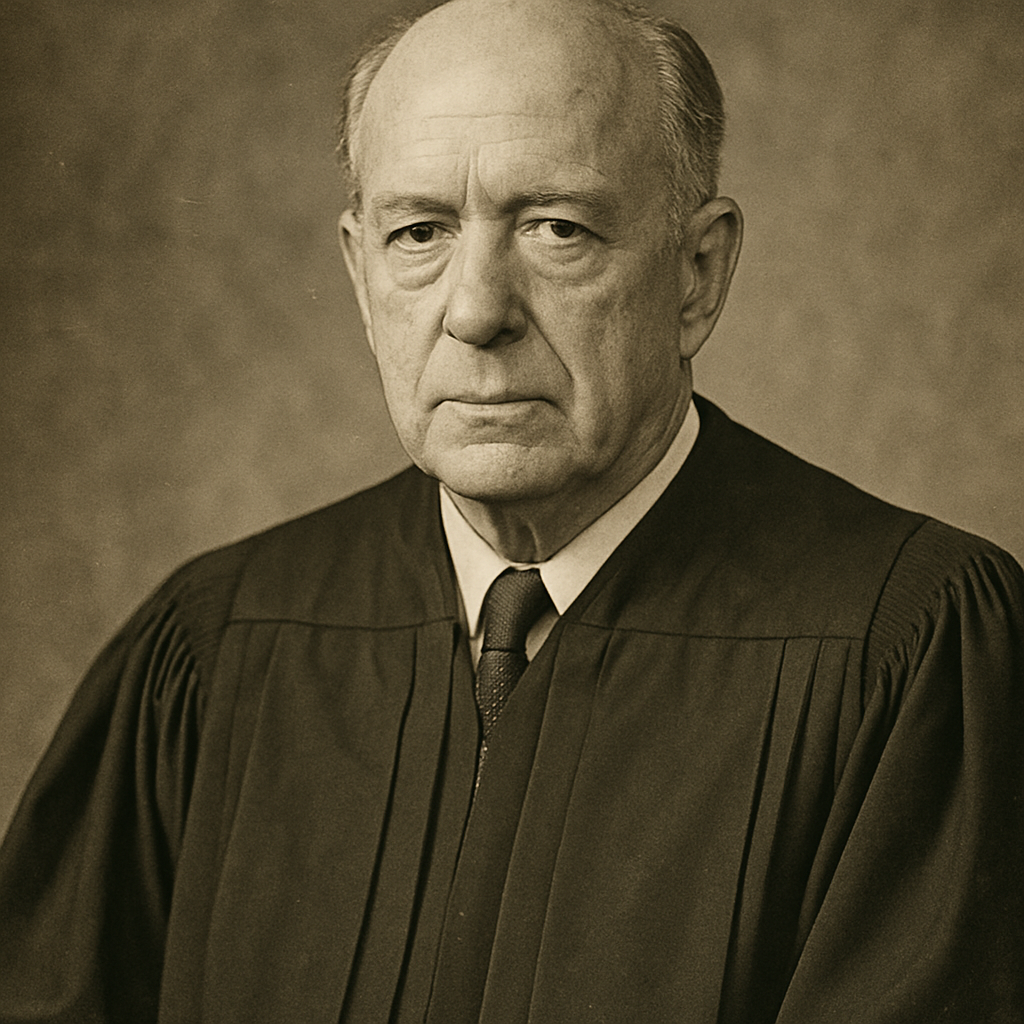
Justice Hugo Black
For the Press · Concurring
“The press was to serve the governed, not the governors.”
- The press exists to expose government, not to serve it.
- Documents were historical analysis, not active battle plans.
- An informed public is the only real check on power.
- Griswold later admitted nothing in them truly justified suppression.
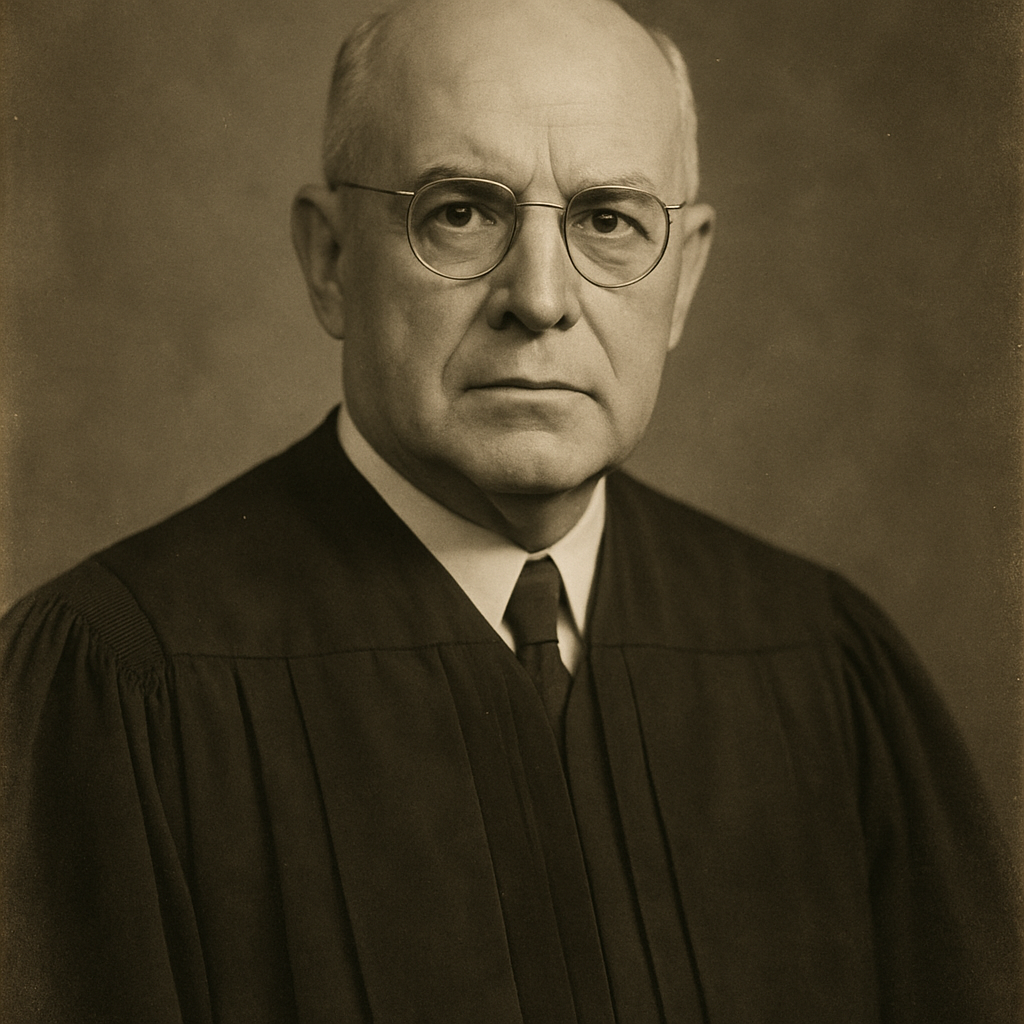
Justice J. M. Harlan
For Security · Dissenting
“The judiciary is not equipped to second-guess the executive.”
- Confidentiality protects live negotiations and operations.
- Foreign affairs belong chiefly to the executive branch.
- Courts lack the facts to second-guess national-security claims.
- A rushed, fractured ruling left no clear rule for the future.
The Court decided the case, but it never resolved the tension. No single majority opinion meant no lasting rule.
The Roundtable Discussion
Five questions for the table.
- Q. 01Right to know
Is the public's right to know more important than possible security risks?
- Q. 02Press & war
Should freedom of the press stay nearly absolute even during wartime?
- Q. 03Credibility
Does repeated government deception weaken later claims of 'national security'?
- Q. 04Prior restraint
Should any government hold the power to stop a story before it is published?
- Q. 05Legacy
Has this ruling made America safer or more exposed today?
A strong answer names the cost on both sides before it picks one.
The Verdict, Weighed
Press Freedom
Why the Court was right
- 1Government had deceived the public for years.
- 2The papers were history, not live operations.
- 3Prior restraint chills all future reporting.
- 4No concrete, serious harm ever materialized.
Nat'l Security
Why it may have erred
- 1Diplomacy with Hanoi was still underway.
- 2Some wartime secrecy is genuinely necessary.
- 3The Court set no clear limiting principle.
- 4The next leak could be far more dangerous.
Our Conclusion
The Pentagon Papers exposed years of deception, and the Court was right to refuse prior restraint. Yet it left the harder question unanswered: who should decide when secrecy is truly justified. That tension is still unresolved today.
The Court's decision did / did notharm national security because…
Sources · National Archives · Oyez · Miller Center · Harvard Law School · Washington Post